
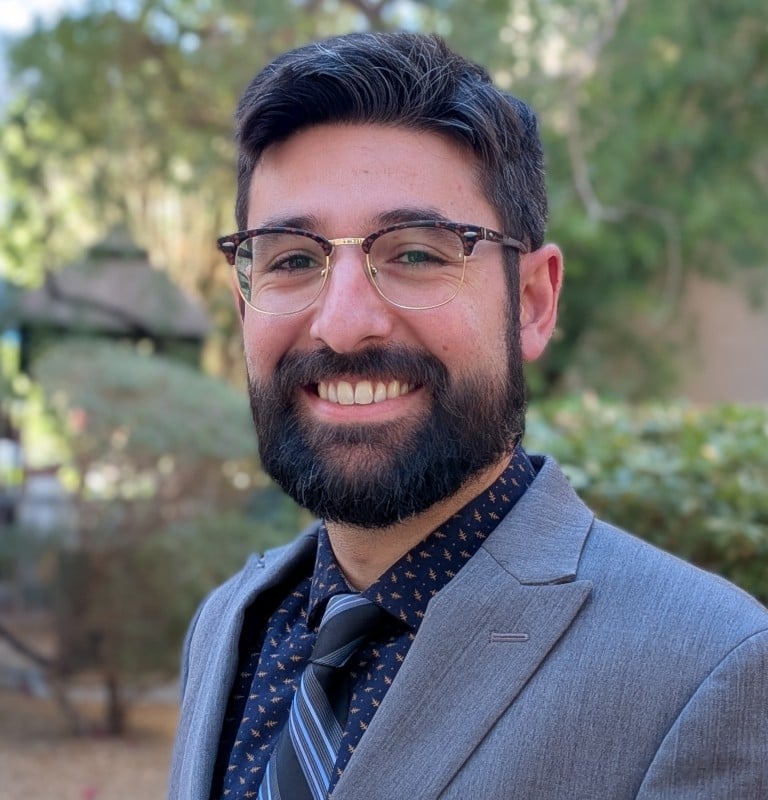
About Austin Lipson, Esq.
Austin is from Riverton, Wyoming. He spent several years as an elementary school teacher in Laramie, Wyoming before earning his degree in law from the William S. Boyd School of Law at University of Nevada, Las Vegas. Though Austin loves being a lawyer, he spent a substantial amount of his time in law school receiving training and experience in mediation because he felt drawn to the collaborative nature of the process.
About Mediation
The legal system in the United States is adversarial. In other words, the legal system usually handles problems by pitting two parties against each other and having them argue their positions as forcefully as possible. While this process can work, it is often lengthy, costly, and unpleasant. What’s more, court battles can resolve in ways that neither party wanted, resulting in a lose-lose outcome.
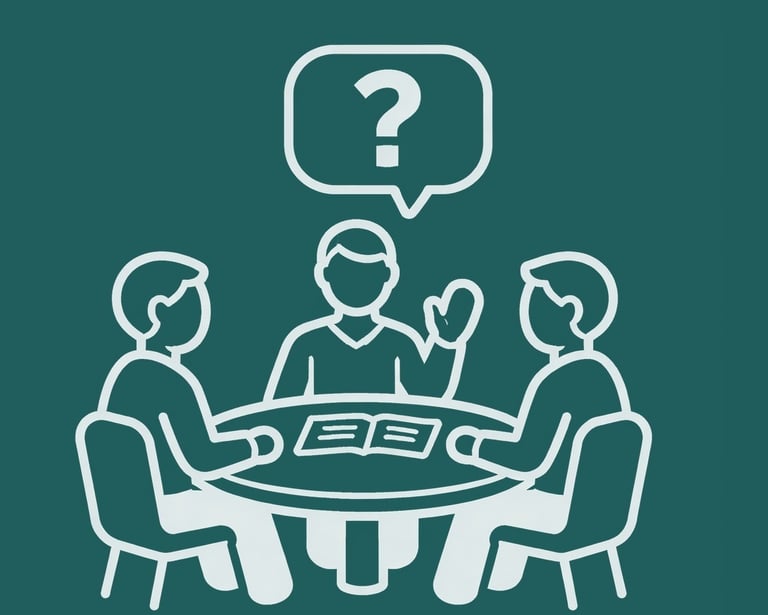
Mediation is not adversarial, but cooperative. Mediation involves disputing parties sitting down together and collaborating to resolve their conflict. This process puts the parties, rather than the court, in control of solving their problems.
What does a mediator do?
A mediator structures a conversation so the parties can work through issues and develop their own solutions. The mediator acts as a neutral third party who encourages dialogue and problem solving between the parties.



Facilitative Mediation
In facilitative mediation, rather than play the role of a judge who uses the law to determine how good a potential solution is, the mediator bases a solution's merit on how effectively it achieves the parties' goals.
Anything said or discussed in mediation will remain confidential. This is a significant advantage that mediation offers over resolving a dispute in court.
Mediation is confidential.


Send a message below to schedule a mediation session or to ask questions
Phone
(307) 222-8721
© 2025. All rights reserved.